
Curfew has radically changed the conditions for car rental in Ukraine. Drivers of rented cars face serious risks if they violate movement restrictions. Fines can reach 510 UAH, and confiscation of the vehicle entails additional costs of up to 5,000 UAH for returning the car and compensating the rental company for its losses. According to law enforcement statistics, 63% of all recorded curfew violations involve rented cars. The reason is simple: drivers underestimate travel time or plan routes without taking into account checkpoints. At the same time, car rental during wartime remains a popular service for business trips, family travel and everyday tasks. Knowing the current rules and planning routes wisely helps to avoid fines.
Car rental during wartime: features and restrictions
Rental companies continue to provide services under martial law, but their working hours have changed significantly. Offices close at 8–9 p.m. so that customers have time to complete all formalities before curfew. The car rental procedure now includes mandatory instruction on safe driving rules and current restrictions in different regions. Rental agreements have been supplemented with special clauses that regulate the driver's responsibility for violating curfew and describe in detail the financial consequences of such actions.
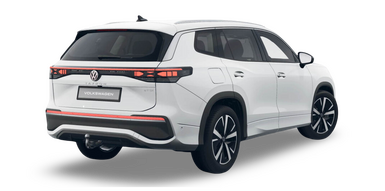
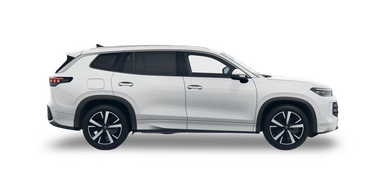
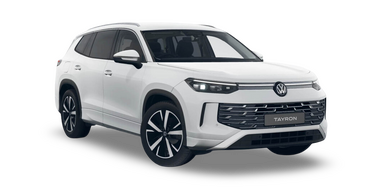
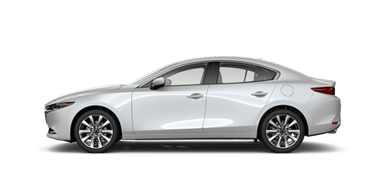
The companies' vehicle fleets have shrunk by 35-40% due to the evacuation of vehicles to safer western regions of the country. However, NarsCars has retained more than 80% of its fleet, allowing it to serve customers without long waits for the desired model. All categories of transport are available: from budget sedans to premium crossovers and spacious minivans for family trips. The average rental period has increased from 3 to 5 days, as customers prefer to rent a car for a longer period for business trips or travel.
Legal literacy: is car rental permitted during curfew?
Ukrainian law allows car rental agreements to be concluded during curfew without any restrictions. Rental companies operate legally and have all the necessary licences to provide services under martial law. However, the use of rented vehicles is governed by the general curfew rules that apply to all categories of drivers. The law does not provide for any special exceptions or privileges for rental cars. The patrol police check documents regardless of whether the car is owned or rented.
Documents that must be presented to the patrol:
- a standard driver's licence;
- vehicle registration certificate;
- rental agreement with the company's stamp;
- a valid motor vehicle insurance policy.
Failure to present any of the above documents will result in an administrative fine of up to 5,100 UAH. The driver bears full responsibility for violating the curfew. The rental company is exempt from administrative sanctions but has the right to claim compensation for losses in accordance with the agreement.

The myth about special passes: are they issued together with a rented car?
Special passes for travelling during curfew are issued exclusively through military units and medical institutions. Rental companies do not have the legal authority to issue such permits. Ordinary citizens without official needs do not receive such documents. Only military personnel with a command order, emergency medical personnel, emergency utility workers, and accredited journalists in the combat zone are entitled to a special pass.
Are rental offices open at night and how to get the keys
Most companies do not operate rental offices at night due to curfew and staff safety considerations. Customers with early morning flights or business meetings can order a special car preparation service. For example, NarsCars places the car in a secure car park in the evening, and in the morning from 06:00, the manager hands over the keys in 10-15 minutes without queues or lengthy paperwork.
Options for picking up a car outside of standard hours:
- order with evening delivery until 8 p.m.;
- morning pick-up from 6 a.m.;
- meeting with the manager at the parking lot;
- digital access via the app for new models.
Force majeure on the road: how to get home during curfew without breaking the rules
The question of how to get home during curfew arises for drivers when unexpected delays occur on the route. The only correct solution is to stop in a safe place before the restrictions on movement begin. Continuing to drive in the hope of making it on time will result in administrative liability and confiscation of the vehicle. The decision to stop should be made 25-30 minutes before curfew so that you have time to find a safe place and notify the rental company.
What to do if you cannot reach your destination before curfew
Algorithm of actions in case of force majeure on the way:
- Calculate your actual arrival time using navigation.
- Find the nearest secure car park.
- Call the rental manager and describe the situation.
- Record your geolocation and the time of your stop.
- Obtain confirmation of the rental extension.
For example, NarsCars does not charge penalties for late returns due to objective reasons. The manager registers the request in the system and automatically extends the contract for the next day. The additional payment is calculated in proportion to the time the car was used. The customer continues driving after curfew without additional fees or penalties.

Driver responsibility: fines and risks of vehicle confiscation
The tenant bears full administrative and financial responsibility for violating curfew. The amount of penalties depends on the number of violations and accompanying circumstances. Violation of curfew is classified under Article 185 of the Code of Administrative Offences as malicious disobedience to a lawful order of a police officer. A first violation is punishable by a fine of 170 to 510 UAH. Community service for a period of 40 to 60 hours, corrective labour for 1-2 months with a deduction of 20% of earnings, or administrative arrest for up to 15 days are also possible.
Additional costs in case of confiscation:
- vehicle towing — 1,200–1,800 UAH;
- storage at the impound lot — 150 UAH per day;
- compensation for lost rental income — 2,000 UAH per day;
- company legal costs — 5,000–8,000 UAH.
CASCO insurance does not cover administrative confiscations, as expressly stated in the policy terms and conditions. The rental agreement provides for compensation for all losses incurred by the company as a result of the customer's actions. Careful trip planning and compliance with traffic rules will help you avoid financial losses and maintain a positive reputation with rental companies.