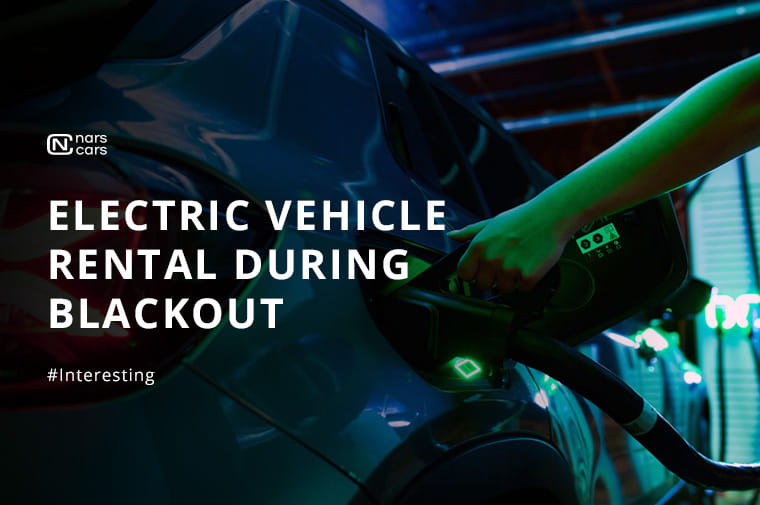

The energy crisis has forced us to rethink our attitude towards electric transport. Many drivers are turning away from electric cars for fear of being left without power at a critical moment. However, a detailed analysis shows that the financial advantages remain even with an unstable power supply. The difference in operating costs between petrol and electric cars remains significant. The key issue is not the advisability of the choice, but the competent organisation of the charging process. The right strategy turns potential difficulties into solvable problems with significant economic benefits.

Is it worth buying an electric car during blackouts: weighing up the pros and cons honestly
The decision to lease an electric car in conditions of unstable power supply requires an analysis of the actual operating conditions. The romanticisation of environmentally friendly transport gives way to pragmatic calculations, where every kilowatt-hour and every hryvnia counts. The situation is ambiguous: the advantages of electric traction remain, but specific difficulties arise that did not exist before the energy crisis.
The main risks: dependence on electricity and route planning
Power outages turn charging into a quest with an unpredictable outcome. Most public stations only work when there is power in the grid, which reduces the available infrastructure by 60–70% during peak outage hours. Modern electric vehicles have a range of 300–450 km, but this figure is meaningless without the ability to recharge in a timely manner. Intercity trips require detailed planning, taking into account power outage schedules in different areas. For example, the Kyiv-Odesa route (480 km) requires at least one stop for charging, and the driver must have backup options in case a station is out of service. The cold season exacerbates the situation: sub-zero temperatures reduce battery capacity by 20-30%, which reduces the actual range to 250-300 km. The psychological factor also plays a role: constant monitoring of the charge and searching for working stations create additional stress.
Critical risk factors include the inability to charge quickly during planned outages, lack of backup power at 80% of stations, the need for constant monitoring of the charge level, dependence on mobile applications and the internet, and the risk of downtime in the event of emergency power outages.
Undeniable advantages: huge budget savings and access to public transport lanes
The financial component remains the main argument in favour of electric vehicles, even in the event of blackouts. The current cost of A-95 petrol ranges from 55 to 60 hryvnia per litre; with an average consumption of 7 to 8 litres per 100 km, this amounts to 385 to 480 UAH. An electric car consumes 15–18 kWh for the same distance, which costs 22–26 UAH when charged at home at the night rate. Access to dedicated lanes for public transport adds practical value in large cities. In Kyiv, this saves 25–40 minutes during rush hour on routes between the city centre and the suburbs, increasing the average speed from 22–25 km/h to 45–50 km/h. The lack of need for regular maintenance reduces operating costs by another 8–12 thousand UAH annually. The electric motor does not require oil changes, filters, spark plugs, or other consumables typical of internal combustion engines. Brake pads last 2–3 times longer thanks to a regenerative braking system that returns energy to the battery during deceleration.

Survival strategy: how to charge an electric car during a blackout and not be left with an empty tank
Successful operation of an electric car during an energy crisis is based on a combination of several charging methods. Relying solely on charging stations or a home outlet is equally risky. A competent strategy involves using all available channels with constant monitoring of the situation.
Using apps (PlugShare, EcoFactor, etc.) to filter working stations
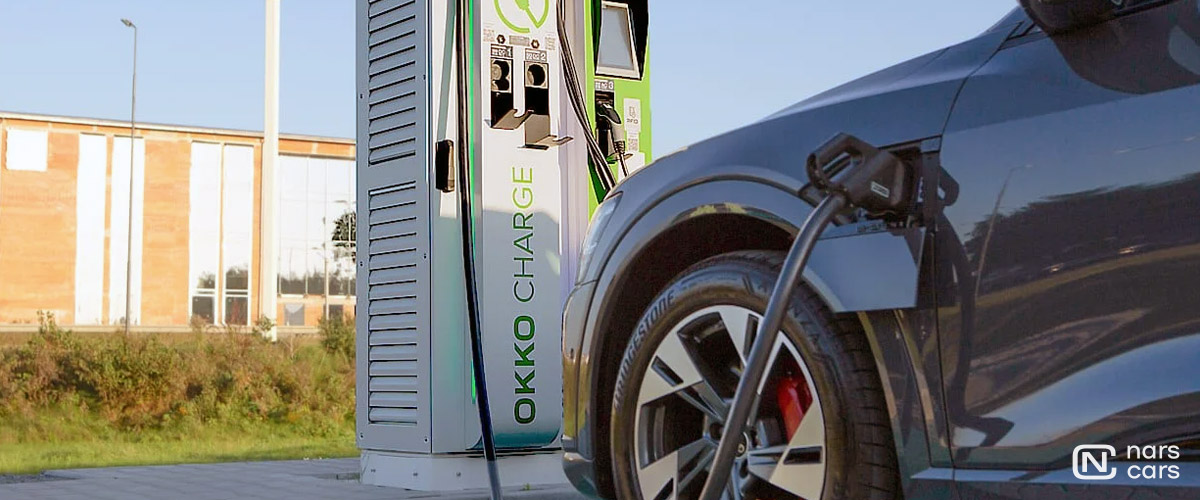
Mobile apps have evolved from a convenient addition to a critical tool for electric car drivers. PlugShare aggregates information on more than 850 charging points across Ukraine. Its main value lies in the relevance of the data: users leave real-time comments on the operability of stations and the availability of electricity. The "currently operational" filter cuts out inactive locations and saves time. The app shows the type of connectors, charging power, and approximate cost. EcoFactor specialises in the Toka network at OKKO petrol stations. The advantage of these stations is that they have backup power from generators, which guarantees operation during power outages. It is critical to check the information before each trip. The power supply situation changes daily. Experienced drivers compile lists of reliable locations with backup power and regularly update them based on recent comments.
Charging from regular sockets (slow charging): night-time tactics
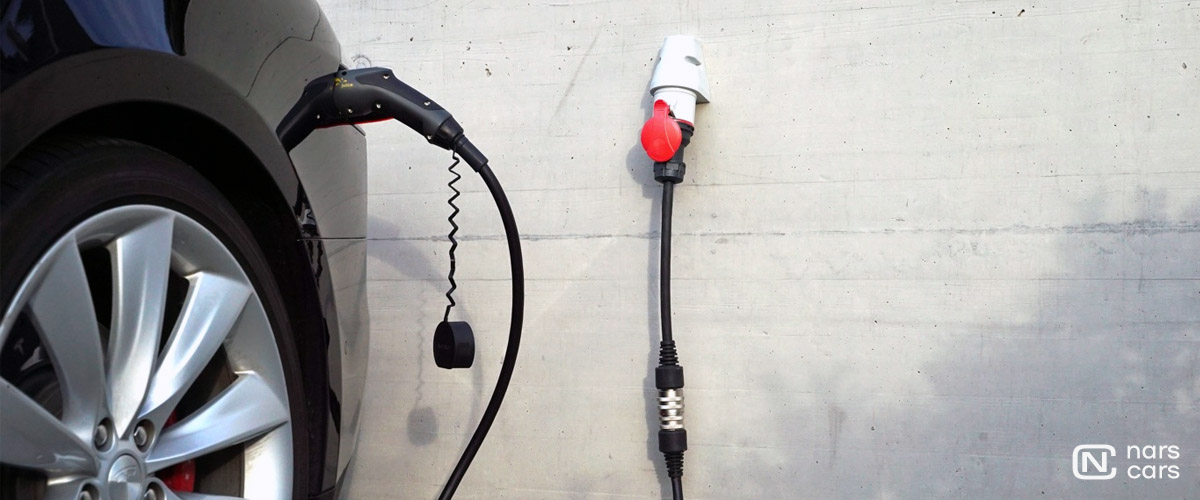
A home socket remains the most reliable and economical way to charge with a predictable outage schedule. A standard socket provides 2–3 kW of power. During the 4-hour night window, the battery receives 8–12 kWh, which is sufficient for 60–90 km of range. The night-time electricity tariff makes home charging as cost-effective as possible. The cost per kilowatt-hour after 11 p.m. is almost half the daytime tariff. Setting a timer on the charger automates the process and eliminates the human factor. A portable 16 A charger allows you to use any available outlet: at home, in the office car park or near a shopping centre. An 8-hour office charging session provides 16–24 kWh, covering the daily needs of an urban driver. Shopping centres offer free charging at 7–11 kW, which adds 50–70 km of range in 2 hours.
An electric car during a blackout is like a large power bank: the hidden capabilities of modern cars
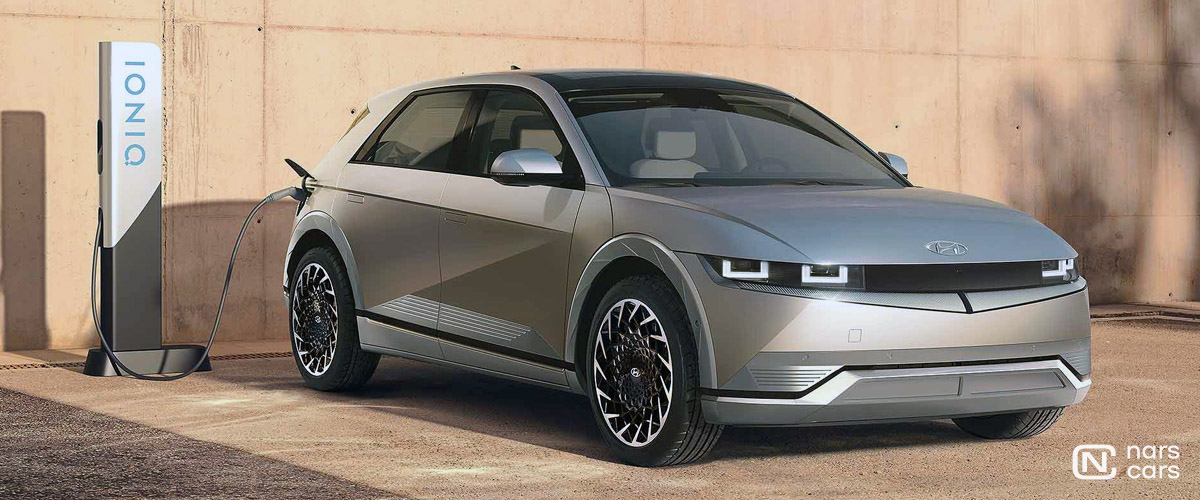
V2L (Vehicle-to-Load) technology allows the traction battery of an electric vehicle to be used to power external devices via a standard 220 V socket. This turns the car into a mobile power source with a capacity of up to 3.6 kW, capable of powering household appliances during power outages. For example, modern models such as the Hyundai IONIQ 5 and Kia EV6 are equipped with a special adapter that connects to the charging port and outputs standard voltage for home appliances. The 77 kWh battery can power a refrigerator, laptop and lighting simultaneously for two to three days. In effect, the owner gets a backup power station on wheels, which solves the problem of autonomy without additional investment in generators or stationary energy storage devices.
The maths of the benefits: a real calculation of the cost of 100 km of mileage
The results of the comparison of costs per 100 km of mileage are shown in the table.
| Car type | Consumption per 100 km | Energy cost | Fuel / electricity costs | Maintenance | Total per 100 km |
|---|---|---|---|---|---|
| Petrol saloon | 7.5 l | 57 UAH/l | 428 UAH | 18 UAH | 446 UAH |
| Diesel saloon | 6.0 l | 62 UAH/l | 372 UAH | 22 UAH | 394 UAH |
| Electric car (home charging) | 16 kWh | 1.44 UAH/kWh | 23 UAH | 3 UAH | 26 UAH |
| Electric car (charging stations) | 16 kWh | 12 UAH/kWh | 192 UAH | 3 UAH | 195 UAH |
With a monthly mileage of 2,000 km, the difference becomes critically significant. A petrol car costs 8,920 UAH per month, while a diesel car costs 7,880 UAH. An electric car costs 520 UAH when charged at home and 3,900 UAH when charged at a filling station. The annual savings range from 48,000 to 101,000 UAH, depending on the charging method and type of car.

Why renting an electric car from NarsCars is reliable even without electricity
NarsCars has been operating in the Ukrainian car rental market for over ten years, specialising in providing quality transport for business and private trips. The company offers a wide selection of electric cars of various classes, from compact city models to premium crossovers with increased range. Each car undergoes regular maintenance and diagnostics before being issued to the customer, which minimises the risk of technical malfunctions on the road. The rental price includes insurance that protects against unforeseen expenses during operation. Customers receive cables with the car, allowing them to recharge from standard power outlets. The company provides advice on optimal routes and charging station locations. Flexible rental terms allow you to take a car for any period of time with the option to extend the contract if necessary.