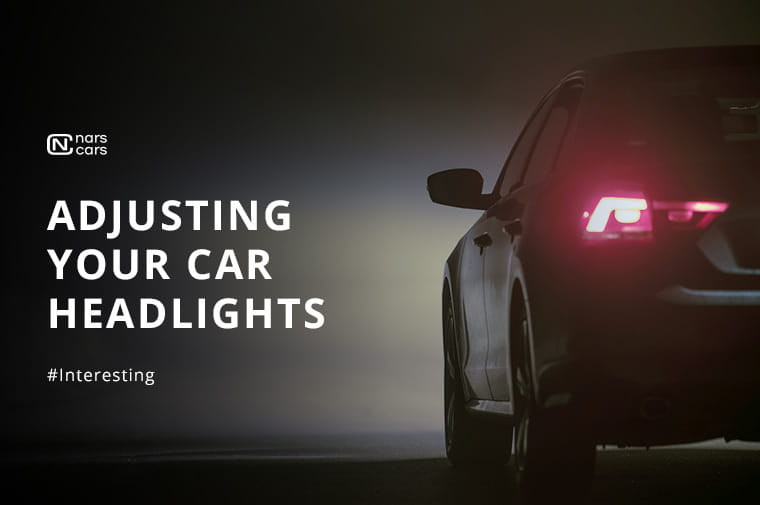

Night-time driving requires good lighting. However, even expensive headlights can cause problems. The reason lies not in the quality of the optics, but in their adjustment. Incorrect headlight adjustment turns a car into a source of danger. The light beam blinds oncoming traffic or illuminates trees instead of the road. According to patrol police statistics, every third car on Ukrainian roads drives with incorrectly adjusted lights.
This article will help you understand typical headlight adjustment mistakes, the causes of glare, and how to fix them. The information is relevant for owners of all cars, from budget to premium models.
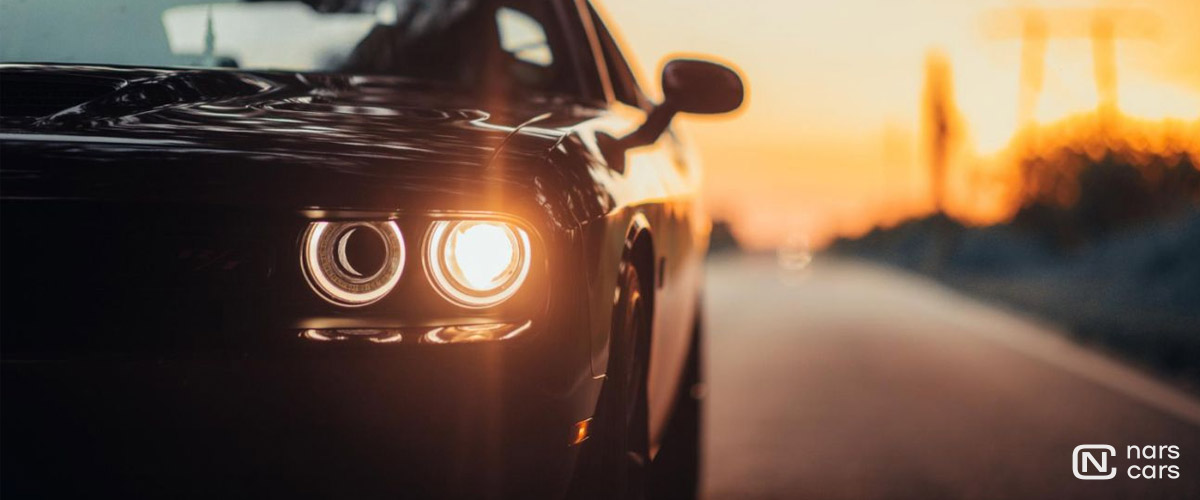
Why the right light is not just about bulbs
Many drivers associate lighting quality exclusively with bulb power. Motorists buy bright lights, install them and expect results. However, brightness without proper direction is useless. A powerful beam directed at the sky will not illuminate a single metre of the road.
The factory settings of headlights are designed for specific conditions. Over time, they become misaligned due to vibrations, impacts from potholes, and bulb replacements. A deviation of just one degree is enough to shift the beam's point of impact by 50 metres. On the motorway at a speed of 100 km/h, such an error becomes critical.
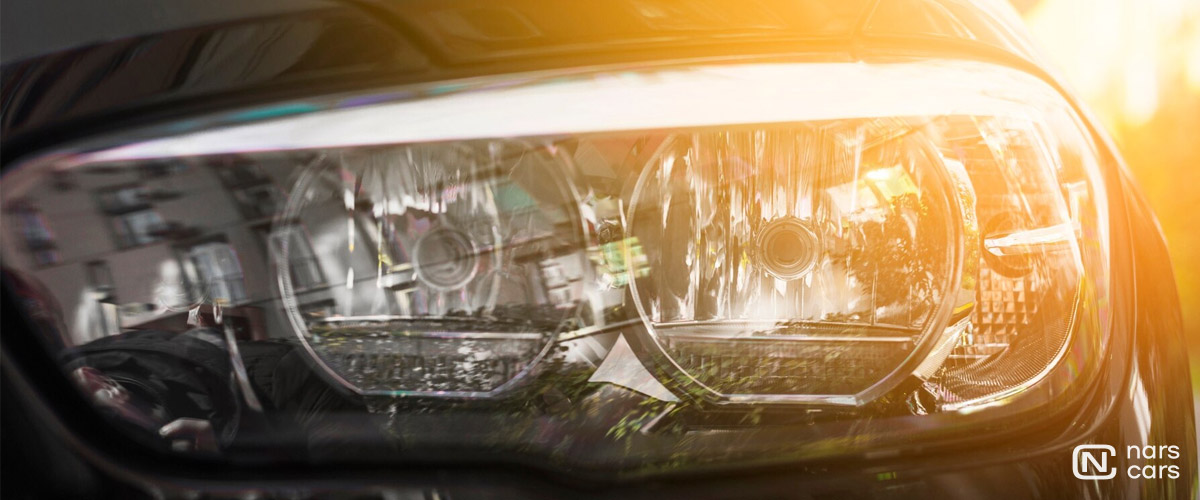
Beam geometry: what is the cut-off line and why is it important?
How to adjust low beams correctly? To do this, you need to understand the principle of beam formation. Any modern headlight creates not just a spot of light, but a structured beam. Its upper boundary is called the cut-off line (CL). This line separates the illuminated area from the dark area. Thanks to the CL, the low beam illuminates the road without dazzling oncoming drivers.
The headlight design creates an asymmetrical STG. The left part of the beam is directed horizontally or slightly downwards. The right part is raised at an angle of 15 degrees. This geometry allows you to illuminate the roadside and signs without illuminating the oncoming lane.
Signs of a correct light-shadow boundary:
- a clear horizontal line on the left;
- a smooth rise to the right;
- no blurring at the boundary;
- no glare above the line.
ECE R112 standards (UN Economic Commission for Europe regulations on automotive lighting) set precise adjustment parameters. According to these standards, the beam should drop by 1–1.5% for every 10 metres. Simply put, at a distance of 10 m from the car, the centre of the light spot is located 10–15 cm below the headlight axis. All cars sold in Ukraine are certified according to these regulations.
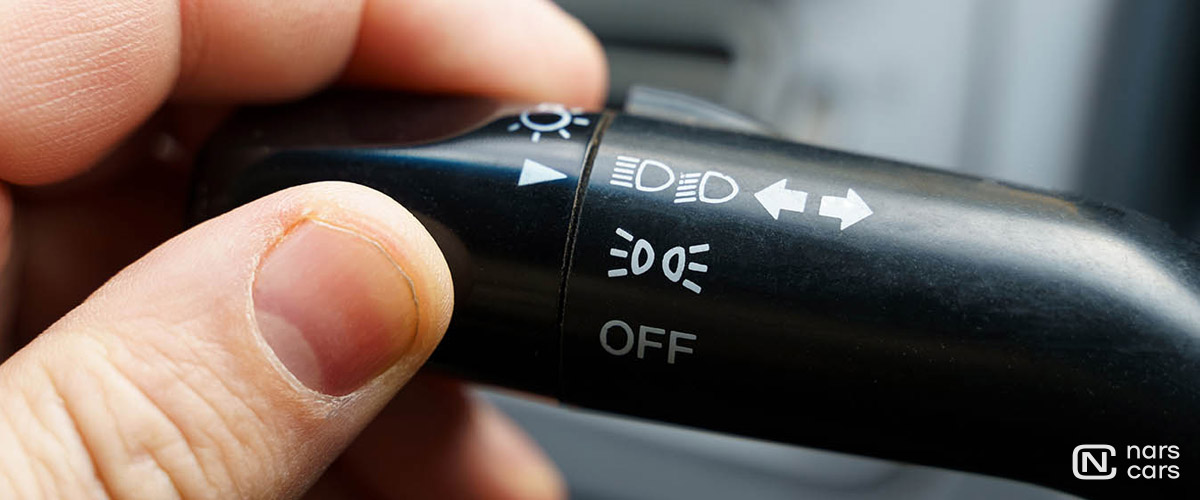
The glare effect: how incorrectly adjusted low beams become a “weapon” against oncoming drivers
Blinding oncoming drivers is not only a problem with high beams. Incorrectly adjusted low beams are just as bad. The only difference is that high beams are turned on deliberately, while low beams are on all the time.
The mechanism of glare is related to the physiology of vision. The human pupil does not have time to constrict when exposed to sudden bright light. The retina becomes overloaded, causing a “whiteout” effect. The driver loses the ability to see the road for 2–5 seconds. During this time, a car travelling at 90 km/h covers 50 to 125 metres blindly.
Research by Euro NCAP (European New Car Assessment Programme) demonstrates the scale of the problem. According to this independent organisation, about 12% of all night-time accidents are related to glare. At the same time, 60% of such cases are caused by low beams. The reason is widespread disregard for headlight adjustment.
Top mistakes drivers make when using lights
Mistakes in headlight adjustment fall into two categories. The first is ignorance of the basic principles of optics. The second is deliberate disregard for the rules for the sake of perceived benefits. Both categories are equally dangerous on the road.
Forgotten hydrocorrector: why headlights shine into the sky when the boot is full
Glare on the road is often caused by a forgotten headlight leveller. This is a headlight level regulator located in the passenger compartment. It usually looks like a wheel with divisions from 0 to 3 to the left of the steering wheel. Most drivers are unaware of its existence or do not understand its purpose.
The principle of operation of the headlight leveller is related to the load of the car. When the boot is empty, the switch is in the “0” position. When a passenger gets in, the is set to “1”. A full passenger compartment requires the “2” position. The maximum load with items in the boot is the “3” position.
The physics of the process is simple. A loaded boot lowers the rear of the car. The front, accordingly, rises. The headlights begin to shine above the calculated level. Without correction, the beam shines directly into the eyes of oncoming drivers. A specific example: 200 kg of cargo in the boot raises the front end by 2–3 cm. It may seem like a trifle. However, at a distance of 30 metres, the beam shifts upwards by 30–50 cm. This is enough to cause serious glare.
Installing non-standard xenon or LED lights in halogen headlights: why it's bad
The desire to improve lighting prompts drivers to replace their bulbs with brighter ones. Xenon and LED sources provide more lumens than halogen. However, installing them in halogen optics creates more problems than it solves. The reason lies in the design of the headlight. The reflector and lens are designed for a specific light source geometry. The filament of a halogen bulb is located exactly at the focus. When replaced with xenon or LED, the position of the light-emitting element changes. The beam scatters chaotically, and the STG disappears.
The result of improper installation:
- the light scatters in all directions;
- uncontrolled glare appears;
- the clear boundary of the beam becomes blurred;
- glare occurs even when the low beam is on.
The Ukrainian patrol police issue 30% of their reports for lighting devices for this very reason. The fine is 425 UAH, and a repeat offence may result in the loss of driving privileges. A legal upgrade is possible by replacing the entire headlight unit with a certified one.
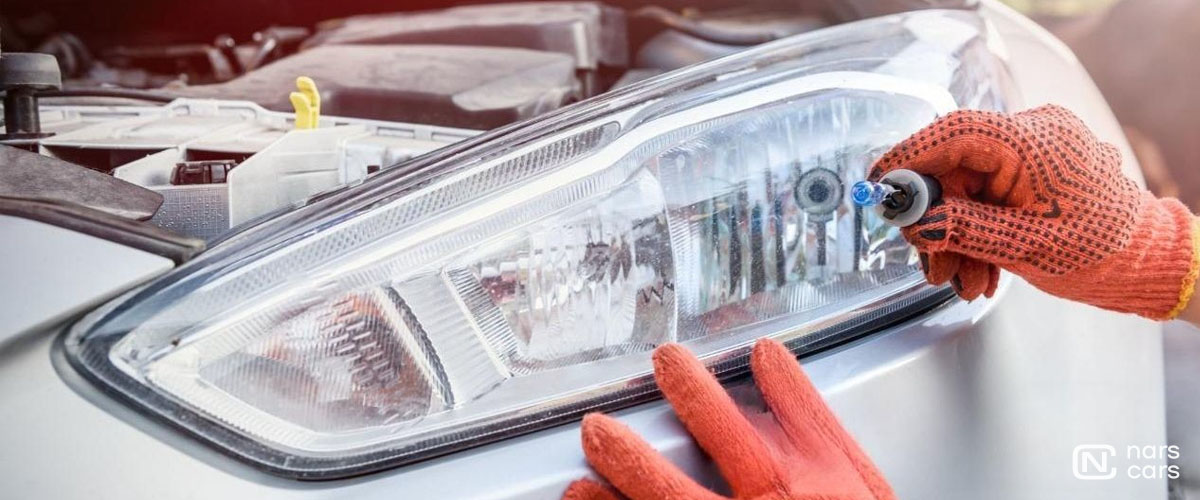
Driving with only one working headlight: how it distorts other drivers' perception of your vehicle's dimensions
A burnt-out bulb seems like a minor inconvenience. Many people put off replacing it until later. Meanwhile, a single working headlight poses a serious safety hazard. The problem lies in perception. Oncoming drivers see a single light source and mistake the car for a motorbike. As a result, they misjudge its size and trajectory. Studies show that a “one-eyed” car is perceived as being 20–30% closer than it actually is. Its speed is underestimated, and its direction of travel is determined incorrectly.
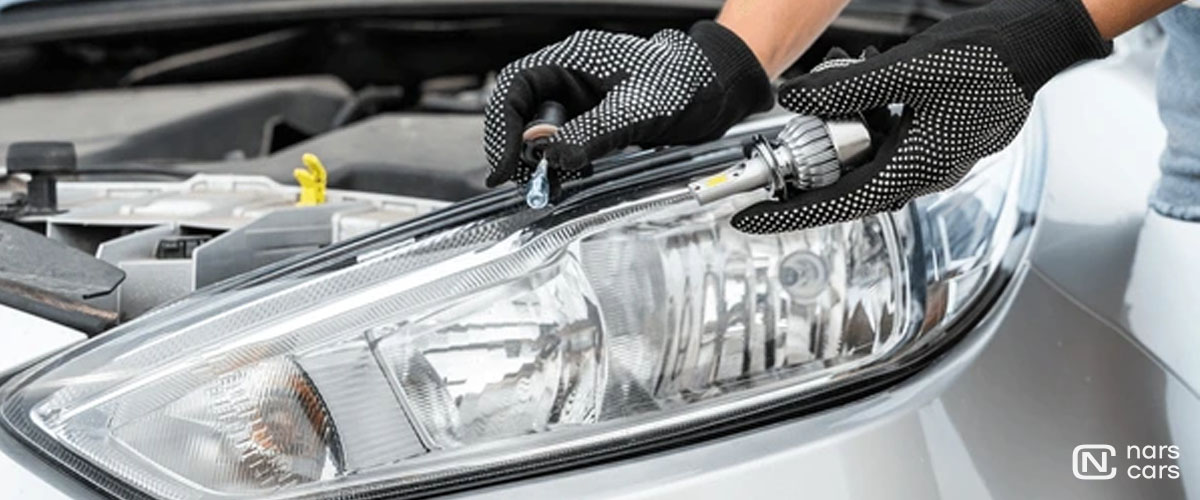
Adjusting the headlights yourself after replacing the bulb does not take much time. All you need is a flat surface, a vertical wall and a tape measure. The car is positioned 5 metres from the wall. Control points are marked on the surface according to the diagram in the instructions. The beam is adjusted to the marks using the adjustment screws. The procedure takes 15–20 minutes. The cost of the bulb itself is between 50 and 300 UAH.
Dirty optics: how a layer of dust refracts light and blinds oncoming traffic
Dirt on headlights acts as a diffuser. Each dust particle refracts light in a random direction. Some of the rays go up and to the sides. The effectiveness of road lighting decreases, and the glare coefficient increases. Measurements confirm the scale of the problem. A layer of dirt only 0.5 mm thick reduces light transmission by 30%. At the same time, the blinding effect increases by 50%. In this case, the driver sees worse, and oncoming traffic suffers more.
The solution is simple: regular cleaning. In winter, headlights should be wiped before each trip. In summer, once a week is sufficient. Plastic that has become cloudy over time requires polishing. This service restores up to 95% of transparency.
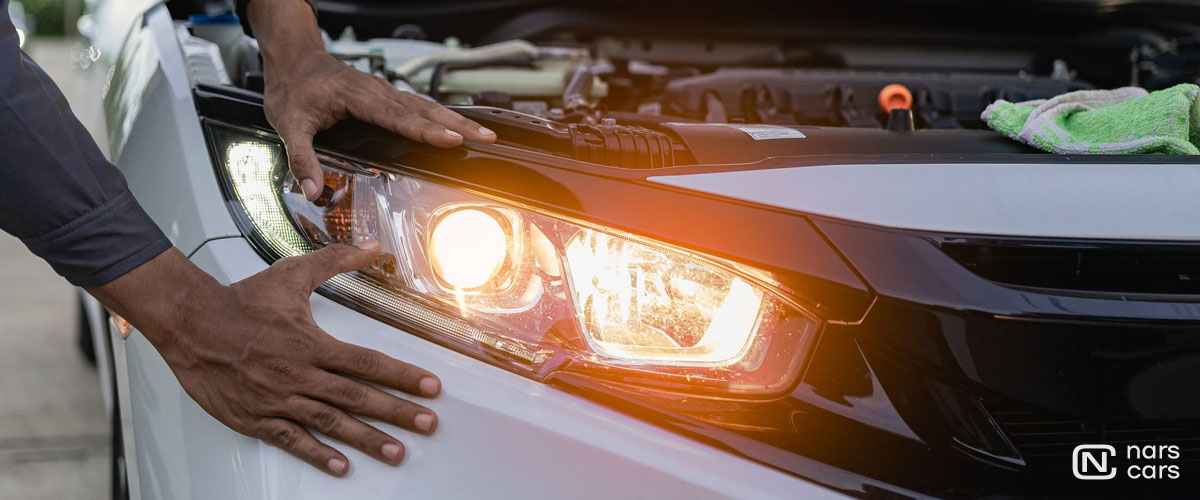
Perfect visibility at night: why you should choose to rent a car from NarsCars
The rules for using high beams require constant attention from the driver. You need to switch to low beams in time when oncoming traffic appears. Modern cars with adaptive optics do this automatically. Electronics monitor the road conditions and adjust the lighting mode themselves.
Keeping a car in perfect technical condition requires time and attention. Adjusting the lights, replacing bulbs, cleaning the optics — all this is the responsibility of the owner. Renting a car eliminates these worries.
NarsCars performs a full technical inspection before each rental. Specialists check the headlight settings, the condition of the bulbs, and the operation of the hydraulic corrector. The optics are always clean and transparent. The customer receives a car with guaranteed working lights.
The NarsCars fleet has more than 300 vehicles. These are modern models of various classes: from compact city hatchbacks to premium sedans. Cars with adaptive lighting are available for night-time driving on the motorway. Such systems automatically adjust the beam angle taking into account the load and the road surface. The company has been operating in the Ukrainian market for over 10 years. Booking through the website narscars.com.ua takes just a few minutes. Pick-up and drop-off are organised for maximum convenience. Special rates apply for long trips, such as business trips, holidays and festive getaways.