
Mountain roads in winter become a test that not every car can pass. Icy serpentines, unexpected ruts and gravel hidden under the snow create conditions where the technical characteristics of the car determine not the comfort of the trip, but safety. In such conditions, four-wheel drive ceases to be an option for off-road enthusiasts and becomes a basic requirement for survival on snow-covered slopes, where a mistake in choosing the right vehicle can result in hours of waiting for a tow truck in the cold.
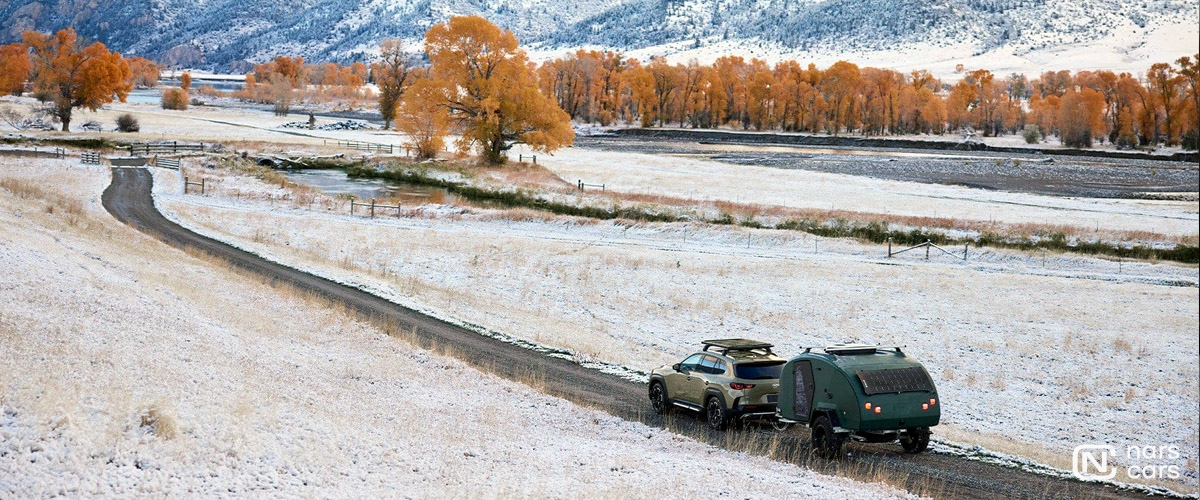
Planning a holiday in the Carpathians by car: the realities of winter roads that guidebooks don't mention
The choice of a suitable car for the Carpathians is determined by its ability to cope with ruts up to 25 cm deep, which literally "grab" the wheels and limit manoeuvrability. Gravel on bends reduces traction by 40% compared to asphalt, which is critical on serpentine roads with a gradient of up to 18 degrees and a length of several kilometres. Road services treat the roads every 8–12 hours between settlements, and overnight snowfall adds 15–20 cm of cover.
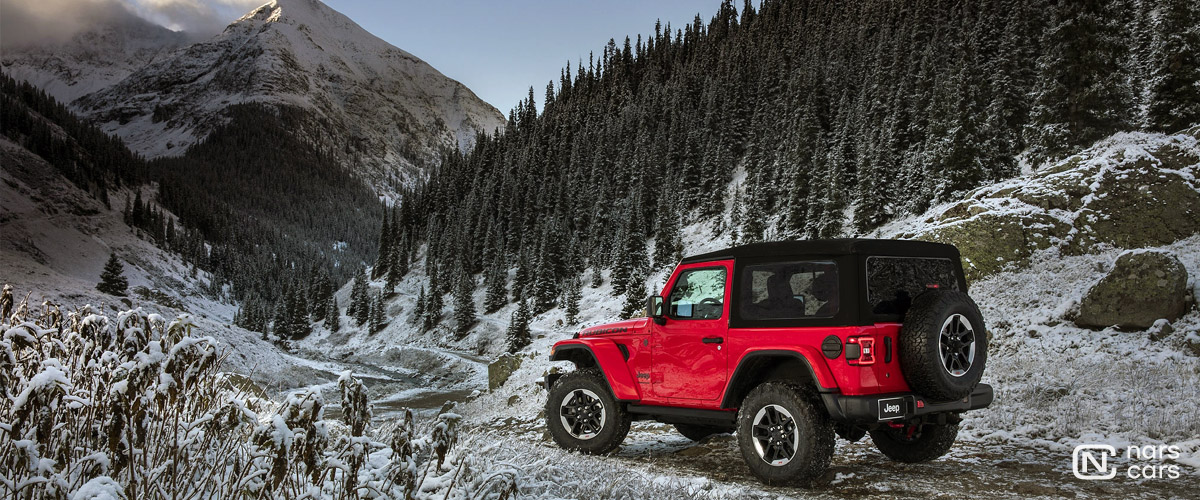
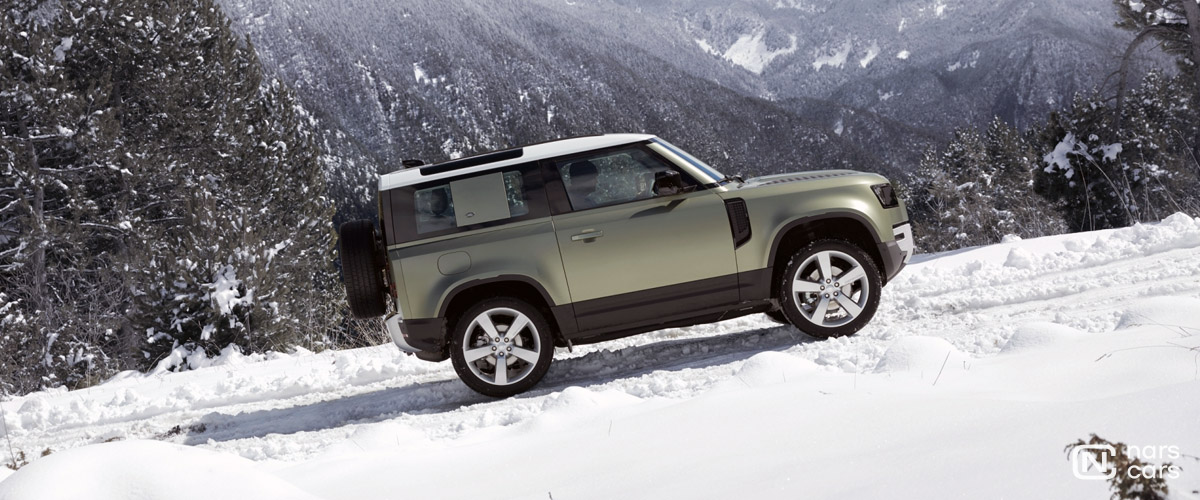
Ground clearance and four-wheel drive: what the ideal car for the Carpathians in winter should be like
Ground clearance determines a car's ability to drive on snow without bottoming out. The minimum clearance for winter in the Carpathians is 200 mm, because with less than that, the car will start to get stuck in snowdrifts and snow banks. When the underbody hits the snow, the wheels lose contact with the solid surface — and no drive system will help you get out without a tow.
Four-wheel drive works on the principle of traction distribution: the front axle pulls the car forward, while the rear axle pushes it, creating the effect of constant traction. On ice, this becomes a critical advantage, as a single-drive vehicle slips when the drive axle loses traction, while 4x4 compensates for slippage by redistributing torque to the wheels with better contact.
Technical parameters that ensure safety in the mountains:
- ground clearance from 210 mm (reserve for deep ruts);
- permanent or switchable four-wheel drive;
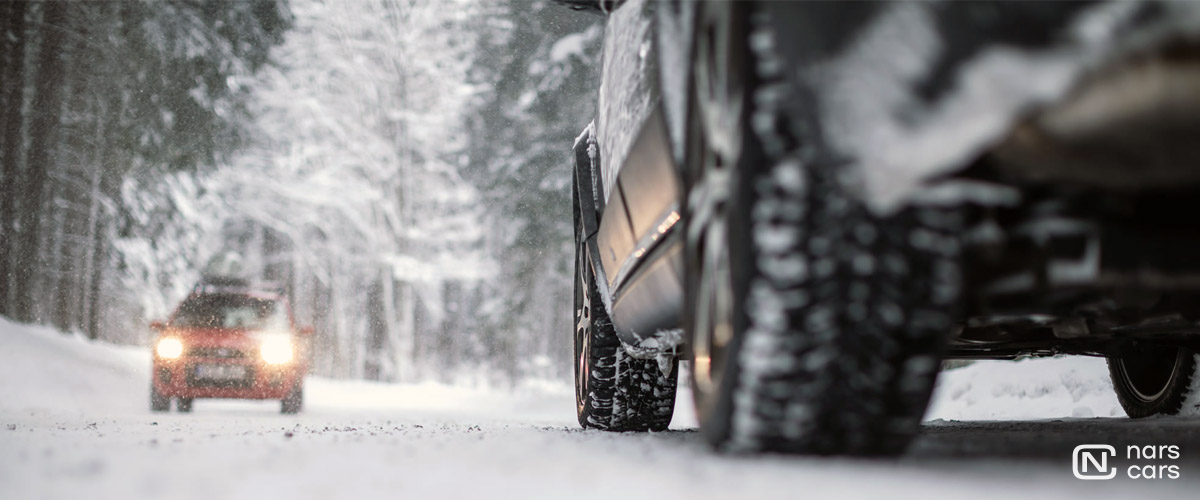
- winter tyres with ice grip rating;
- ESP stability control system (prevents skidding);
- 150 hp engine for confident overtaking on inclines.
The weight of the car affects its behaviour when braking on descents: a heavy SUV (from 1800 kg) maintains stability, while a light crossover can skid during sharp manoeuvres due to its lower inertia.
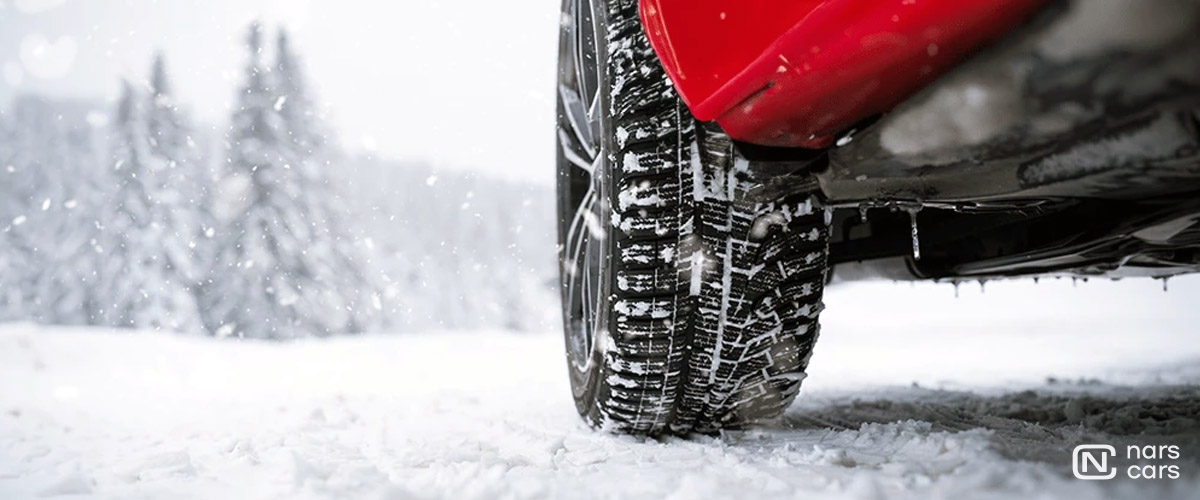
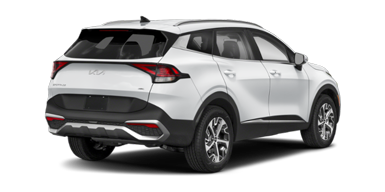
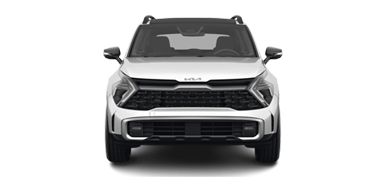
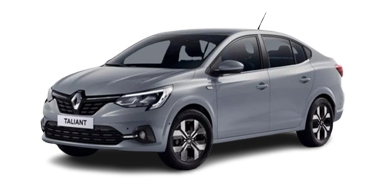
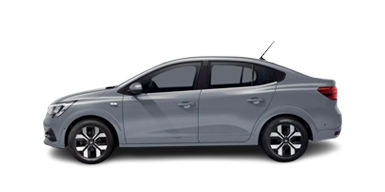
Why a city saloon car loses to a crossover on the first serpentine road
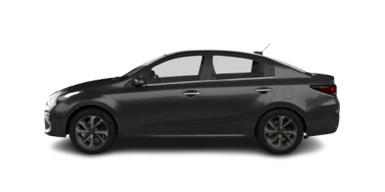
The sedan's centre of gravity is low, which provides excellent handling on flat roads, but becomes a disadvantage in the mountains. The narrow wheelbase and low ground clearance cause the body to catch on snow banks on the sides of the road, and the underbody to scrape against the tops of ruts. The crossover's short overhangs allow it to negotiate steep entrances and exits without contact with the road: the sedan's ramp angle is 12-14°, while the SUV's is 20-25°, which is critical on serpentines with a gradient of 15°.
Passability is determined by a combination of ground clearance, drive and weight distribution. A sedan with rear-wheel drive gets stuck after 50 metres of driving in 20 cm of snow on a 14° slope, a front-wheel drive crossover passes this section with wheel spin and loss of speed, and an SUV with a 4x4 system passes steadily without slowing down. Winter tyres on the crossover provide 35% better braking thanks to their high rubber profile, which absorbs bumps and protects the suspension from impact loads when hitting rocks hidden under the snow.
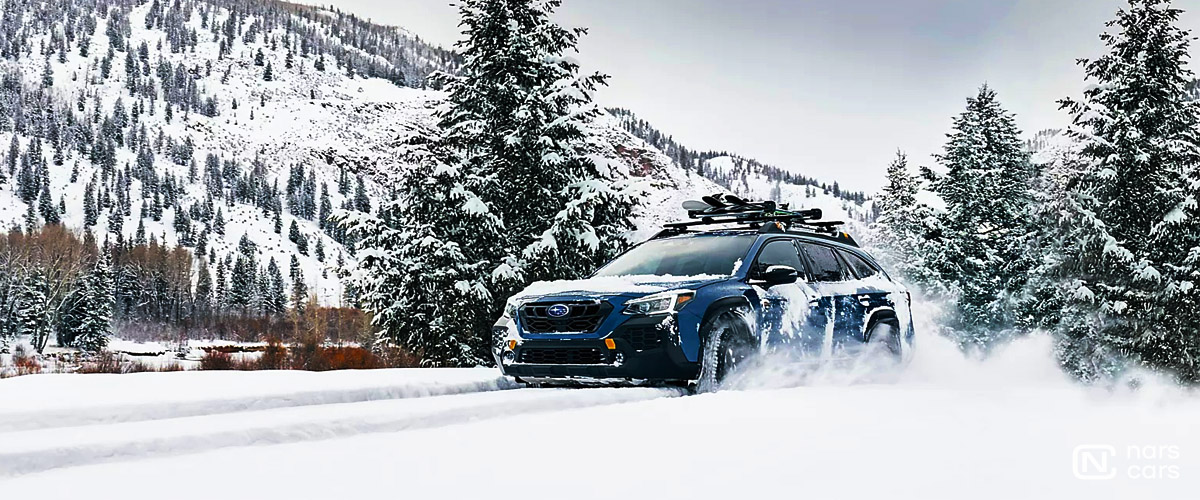
Reliability rating: the best cars for the Carpathians from our fleet
NarsCars tests cars in real mountain conditions, covering a total of more than 50,000 km each winter on routes of varying difficulty. The selection of models is based on breakdown statistics, fuel consumption and customer reviews, who share their experience of using the cars after returning from their trips.
TOP 5 SUVs tested in the Carpathians in winter:
- Toyota RAV4 (2020–2023). Permanent all-wheel drive provides stable traction on ice. Ground clearance of 219 mm allows it to pass through deep ruts. Fuel consumption of 8.5 l/100 km makes the car economical for long journeys.
- Nissan X-Trail (2019–2022). Electronic all-wheel drive with intelligent torque distribution automatically adapts to road conditions. The 210 mm ground clearance is combined with a spacious 565-litre boot. The diesel engine consumes 6.8 l/100 km, which reduces fuel costs.
- Renault Duster (2021–2023). A budget option with a mechanical lock that the driver activates manually on difficult sections. The 205 mm ground clearance is sufficient for most routes.
- Volkswagen Tiguan (2020–2023). The 4Motion system with adaptive suspension automatically adjusts to the road surface. Comfort on long journeys is combined with a ground clearance of 200 mm.
- Mitsubishi Outlander (2018–2022). The proven S-AWC transmission distributes torque not only between the axles, but also between the wheels of the same axle. Three rows of seats are suitable for large groups. The 215 mm ground clearance ensures confident driving on snow.
All cars are equipped with Michelin or Nokian winter tyres, which are replaced every season, regardless of mileage. The tread depth is maintained at a minimum of 8 mm, which is twice the required minimum of 4 mm and guarantees effective grip even on ice.
Going to the Carpathians by car: winter safety and equipment checklist
Preparation for the trip begins three days before departure with a technical inspection of the car. NarsCars performs this procedure before each car is issued to a customer, but additional equipment for winter conditions must be packed in the boot yourself.
Essential items that can save you in critical situations:
- a 5 m tow rope with a load capacity of up to 3 tonnes;
- a folding sapper shovel for digging out stuck wheels;
- 5 litres of -30°C washer fluid (a standard tank is sufficient for 200-300 km);
- a scraper and a long-handled snow brush for cleaning the roof;
- a phone charger (car charger plus power bank in case the battery runs out);
- 16 mm² jumper cables, 3 m long;
- LED torch with spare batteries;
- first aid kit with a thermal blanket for emergencies.
Your fuel tank should be at least 50% full when entering mountainous terrain, as petrol stations are few and far between: for example, there is a distance of 70 km between Yaremche and Rakhiv without a single petrol station.
Safe driving techniques on descents and ascents
Descents require the use of engine braking instead of constant pressure on the brake pedal. Manually shifting into second or third gear (on an automatic transmission, L or M mode) creates natural resistance that controls speed without overheating the brake discs. The brake pedal should be applied smoothly, with short presses, as prolonged braking heats the discs to 300°C and reduces efficiency by 60%.
Hills should be tackled by accelerating on a flat section before the start of the slope: changing gears on a slope is prohibited, as the loss of momentum will cause the vehicle to stop and roll backwards. If the car is stuck and the wheels are spinning, do not press the accelerator for more than 10 seconds at a time, as this will cause the car to dig in. Use a shovel to dig out the snow in front of the wheels, creating space for acceleration.
Rules for driving on mountain serpentines:
- the speed on bends should not exceed 30 km/h regardless of the road quality;
- the distance to the car in front should be at least 50 m;
- Overtaking on mountain roads is prohibited by Ukrainian law;
- stopping is only permitted at special areas every 5–7 km;
- hazard warning lights must be switched on when driving at speeds below 40 km/h.
Visibility in snowfall drops to 20 metres, which requires the use of low beams and fog lights. High beams create a wall of light in the snowflakes and blind the driver, so their use is dangerous.
SUV rental at NarsCars: confidence every kilometre of the way
NarsCars has been operating in the car rental market since 2016 and specialises in preparing vehicles for difficult road conditions. The fleet includes SUVs with permanent and switchable four-wheel drive, adapted for use on mountain roads. Each car is equipped with winter tyres, undergoes a technical inspection after every 10,000 kilometres of mileage and is refilled with antifreeze windscreen washer fluid. The customer receives the car with a full fuel tank, and the rental price remains fixed, with no hidden extra charges. Reservations can be made online with the option of free cancellation or date changes. A flexible return system allows you to return the car to offices in Kyiv, Lviv or Ivano-Frankivsk, which simplifies planning one-way routes through the Carpathians.