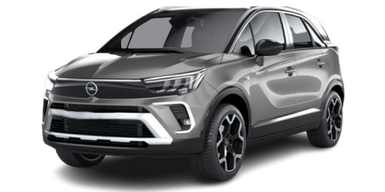
Renting a car to travel with an animal creates specific obligations to the rental company. The interior remains the property of the lessor, which imposes responsibility for the safety of the finish and cleanliness. Most owners underestimate the amount of preparation required to safely transport a pet in someone else's vehicle. The absence of protective equipment or improper restraint of the animal leads to damage, which is compensated from the deposit. Knowledge of the terms of the contract, transportation rules, and methods of protecting the interior determines the financial outcome of the rental and the comfort of all passengers during the journey.
Rental policy: are animals allowed and what are the rules?
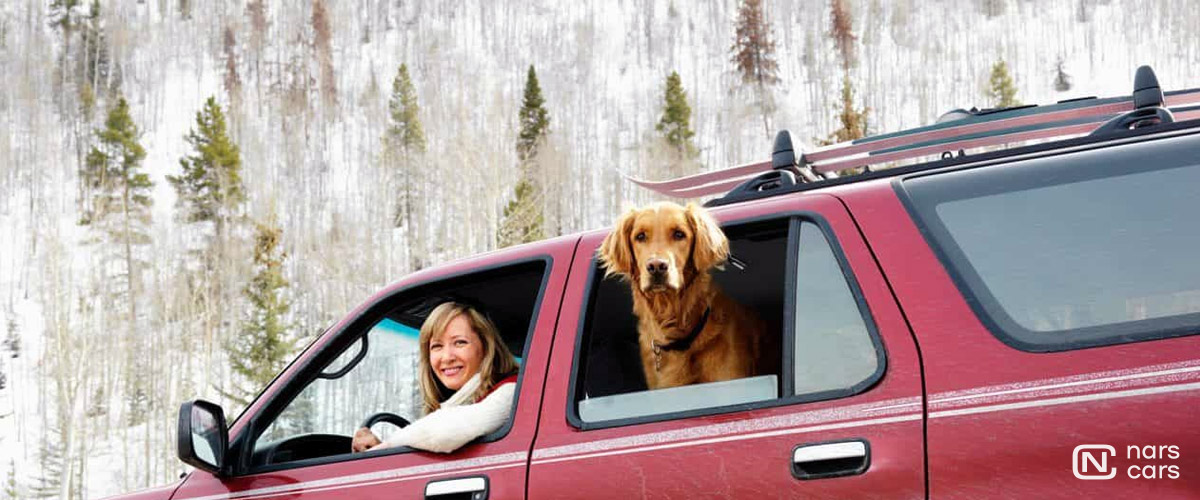
Rental companies in Ukraine independently determine the conditions for transporting pets. There is no uniform legislative regulation, so the requirements vary depending on the lessor. NarsCars allows the transportation of pets at no additional charge, provided that the rules of operation are followed and the car is returned in proper condition.
The company's basic requirements include the mandatory securing of the animal with special devices that prevent it from moving freely around the passenger compartment. Carriers, car seat belts for dogs or protective hammocks prevent the pet from coming into contact with the controls and reduce the risk of damage to the upholstery. The customer is fully liable for scratches, claw marks, stubborn stains or persistent odours that require professional dry cleaning.
The rental agreement provides for the following restrictions:
- transportation in the luggage compartment of sedans without ventilation is prohibited;
- the animal must not be on the driver's or front passenger's lap;
- protective covers or blankets must be used on the rear seats;
- the interior must be returned free of hair, dirt and biological contamination.
The cost of restoration repairs is determined by an inspection report upon return. Standard dry cleaning of the interior costs from 1,500 UAH, and replacement of damaged upholstery elements costs from 3,000 UAH. Photographic documentation of the condition of the car upon receipt protects the renter from unreasonable claims and allows for an objective assessment of damage after use.
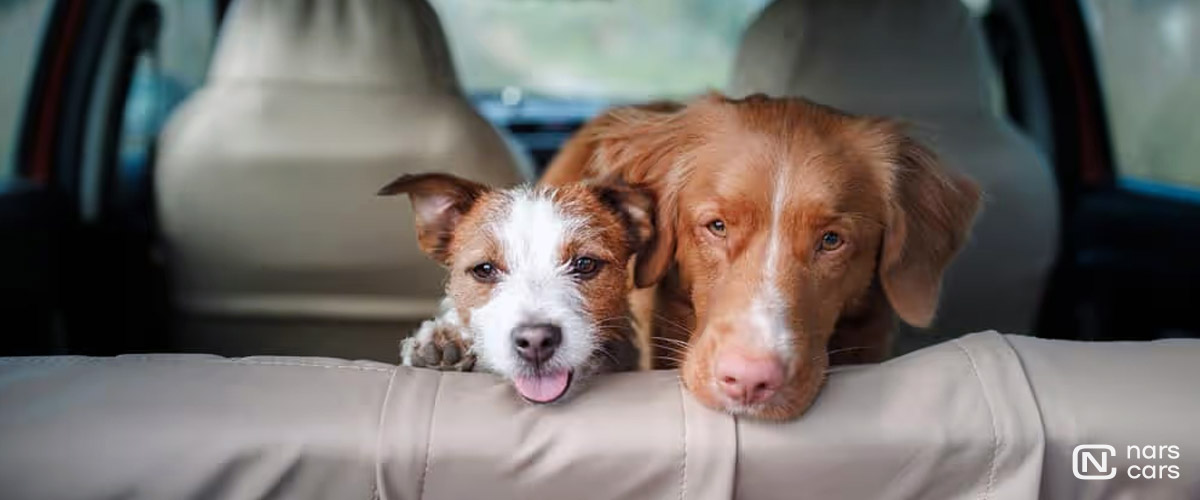
Safety checklist: how to prepare your car for travelling with pets
When you pick up a rental car, the interior is photographed in detail. Photos of the seats, door cards, ceiling and floor create a record of the car's original condition. A company representative notes any existing defects in the handover report, which prevents new damage from being attributed to existing damage.
A set of protective materials is put together based on the length of the trip and the pet's characteristics. Waterproof covers stop moisture from getting into the seat filling, where bacteria and strong smells can grow. Absorbent pads are placed in areas where paws come into contact with surfaces the most. Daily cleaning with a roller removes surface hair before it penetrates the upholstery seams. Wet cleaning of visible stains immediately after they appear prevents the formation of stubborn stains that require dry cleaning.
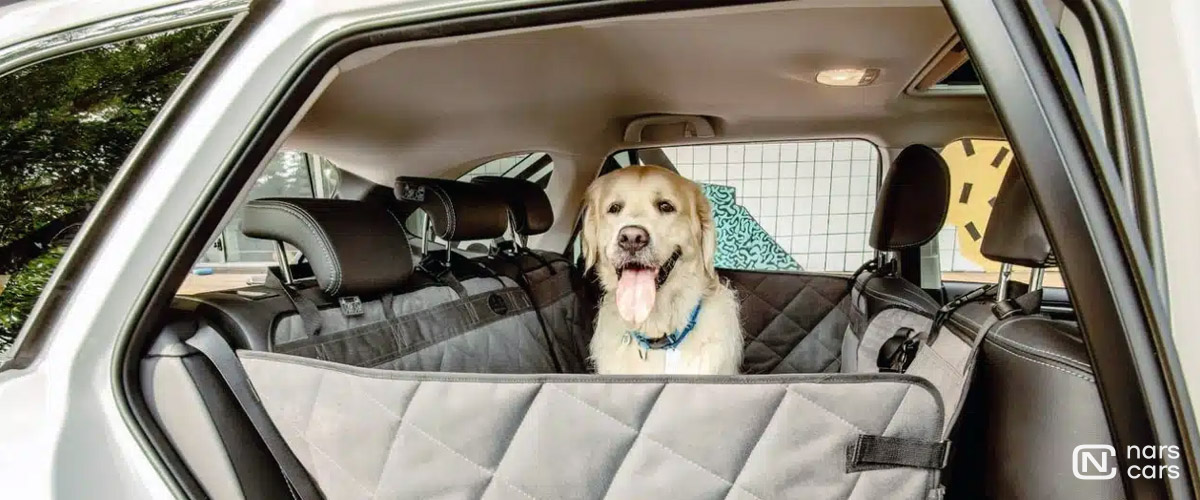
Protecting the interior from hair and claws: hammocks, covers and carriers
A car hammock forms a continuous protective surface between the front and rear headrests. The side walls protect the door panels from scratches when the animal tries to lean on the window. The Oxford 600D material with a polyurethane coating repels liquids and can withstand weights of up to 60 kg without sagging. Fastening straps with plastic fasteners allow you to remove the structure in 2 minutes for washing or returning the car.
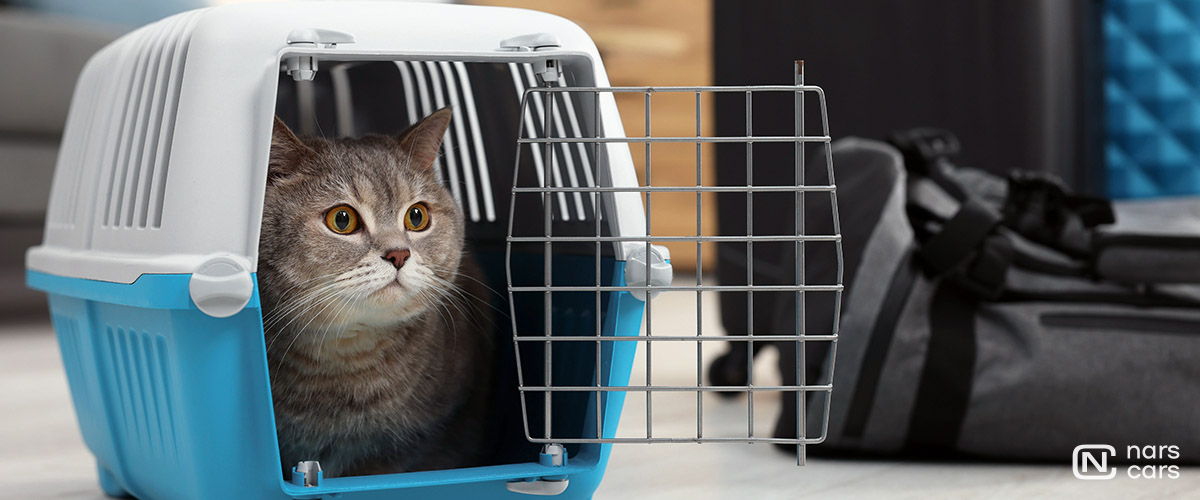
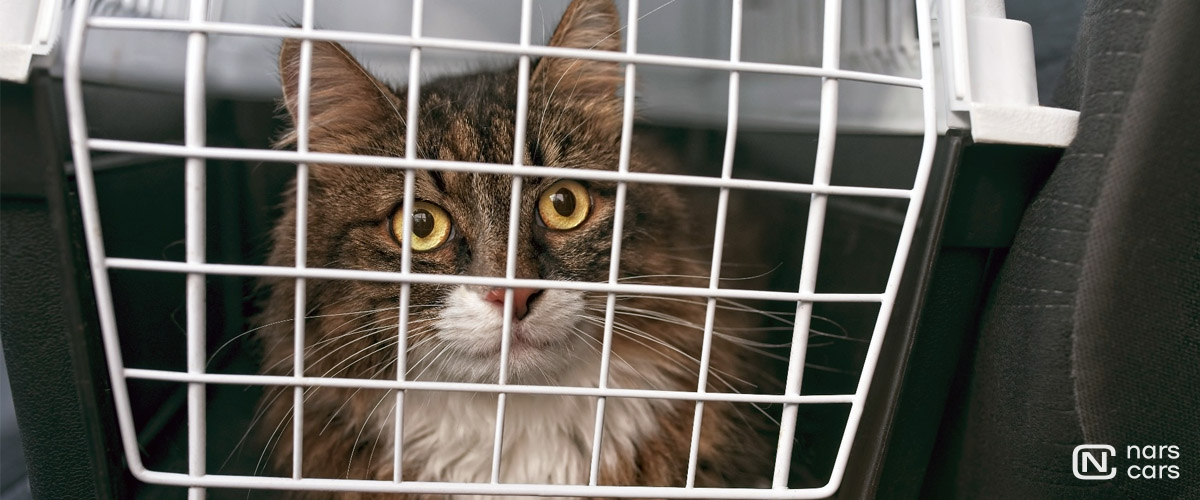
Hard-shell carriers distribute the impact load in the event of a collision, protecting the animal from compression injuries. The size of the container is selected according to the formula: the length of the pet plus 10 cm for free movement. Ventilation grilles are located on three sides, ensuring air circulation at a cabin temperature of up to 25°C. Fastening with a standard belt through special slots prevents the carrier from shifting in the longitudinal and transverse directions.
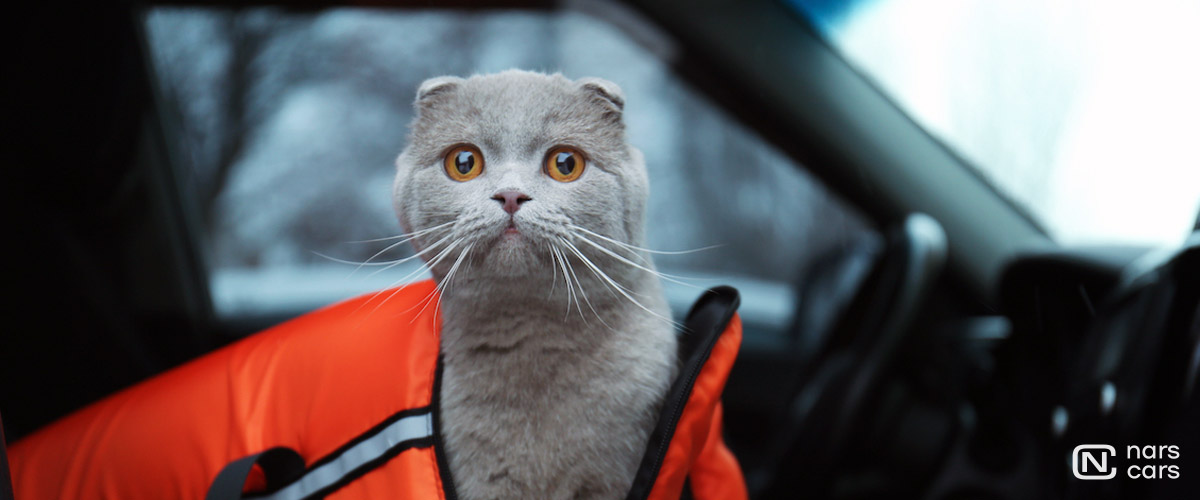
Rules for securing an animal: why you should not hold a dog in your arms while driving
Holding an animal on your lap creates a mechanical obstacle to emergency manoeuvring or braking. In a collision at a speed of 50 km/h, a dog weighing 20 kg creates an inertial load of about 600 kg, which exceeds the holding capacity of human hands by 15–20 times. Specialised systems are attached to the body's structural elements via seat belt buckles. The carabiner connects to the chest harness ring, which distributes the load across the animal's body. The length of the sling is adjustable from 40 to 70 cm, limiting movement within the rear seat. The elastic shock absorber in the belt dampens jerks during sudden deceleration, reducing the peak load on the skeleton by 30–40% compared to a rigid attachment.
The best cars for travelling with pets: an overview of body types and models
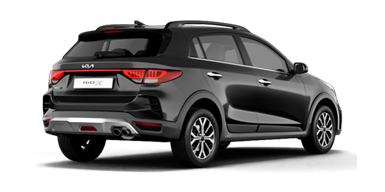
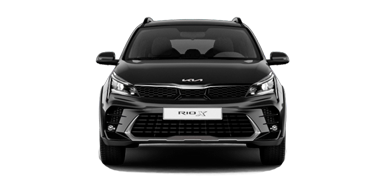
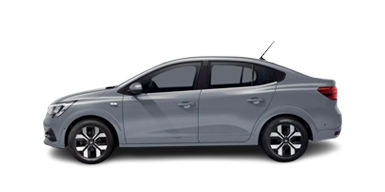
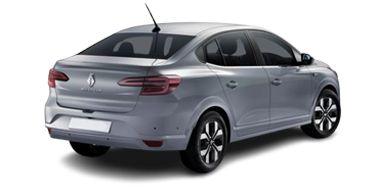
The choice of body type determines the comfort of the animal and the amount of protective equipment required. A saloon car limits the space in the back row of seats, which is only suitable for pets in carriers weighing up to 8 kg. An isolated boot excludes the placement of animals there due to the lack of ventilation and the risk of overheating. Estate cars and crossovers provide increased usable space when the rear seats are folded down, creating conditions suitable for large dogs.
Top 5 models in the NarsCars fleet:
- Hyundai i30 Wagon. A station wagon with a 602-litre boot in the standard configuration and 1,650 litres with the seats folded down. The flat floor without steps makes it easy to install protective hammocks and secure carriers. Separate climate control allows you to adjust the temperature in the rear independently of the front, which is critical for long trips in hot weather.
- Skoda Octavia Combi. A practical estate car with a minimum boot capacity of 640 litres. The low loading height of 651 mm reduces physical strain when placing large animals in the car. The fabric upholstery is highly scratch-resistant and easier to clean of hair with a professional vacuum cleaner.
- Nissan Qashqai. A crossover with 200 mm ground clearance and a 504-litre boot. The interior can be transformed to increase the usable space to 1,598 litres. The increased seating height of 170 mm makes it easier for animals with limited joint mobility to jump in without the use of auxiliary ramps.
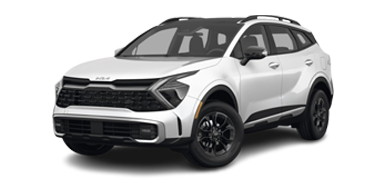
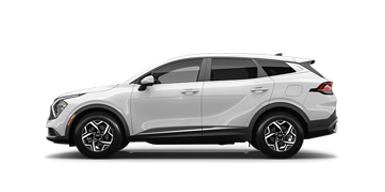
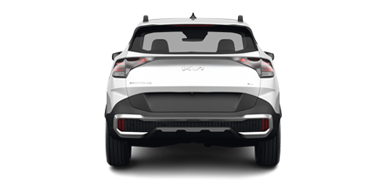
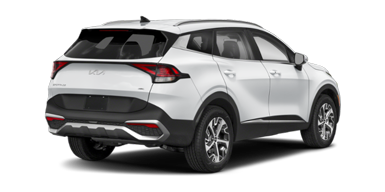
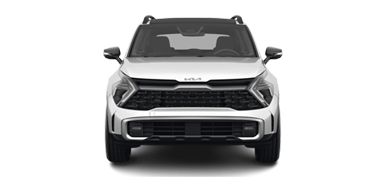
- Kia Sportage. A versatile crossover with a 591-litre boot and a wide 1090 mm rear door opening. Standard ISOFIX mountings in the boot allow the partition net to be secured with factory locks. A ventilation system with a separate deflector for the rear area ensures air circulation at temperatures above 25°C.
- Volkswagen Caddy. A compact van with a convertible interior layout and a volume of 1213 litres. Separate sliding side doors create two independent entrances, making it easy to place several animals in isolated areas. The interior height of 1,370 mm allows a standard 90×60×70 cm cage to be installed without tilting or dismantling any elements.
Stopping mode, drinking balance and motion sickness: advice from veterinarians and experienced drivers
Stops are planned every 90–120 minutes of travel, regardless of the animal's behaviour. Dogs need to be walked for 10–15 minutes to empty their bladders and relieve muscle tension. Cats remain in their carriers but have access to water through special drinkers attached to the container door. The last feeding is carried out 3–4 hours before departure, as a full stomach exacerbates the symptoms of motion sickness during vibration and turns.
When travelling by car with pets, water is given in small portions (50–100 ml) every 40–60 minutes. Drinking a lot makes them need to pee a lot, which is uncomfortable for them between stops. Signs of motion sickness include intense drooling, rapid breathing with an open mouth, and restless whimpering. Veterinary anti-motion sickness medications are prescribed by a specialist after testing 7–10 days before the trip. Testing for individual reactions reveals possible side effects such as drowsiness or agitation. The cabin temperature is maintained between 18–22°C, as overheating accelerates the development of nausea and dehydration during prolonged stays in confined spaces.
Pet-friendly service from NarsCars: why pet owners trust us with their trips
NarsCars has been specialising in car rental in Ukraine since 2016, building a fleet that meets the needs of different categories of customers. More than 200 vehicles include station wagons and crossovers, which provide enough space for the comfortable transport of pets. The company applies a transparent pricing policy, where all financial obligations are fixed in the contract without hidden fees or unexpected surcharges. Pets are allowed to be transported at the standard rate without increasing the rental cost. Penalties are only charged for actual damage confirmed by a transfer certificate with detailed photographic evidence. The support service works around the clock, answering questions about choosing a model, operating features, and rules for returning a car after a trip with an animal.