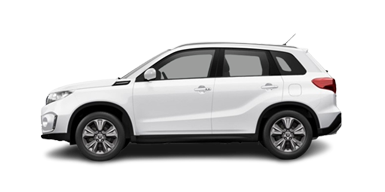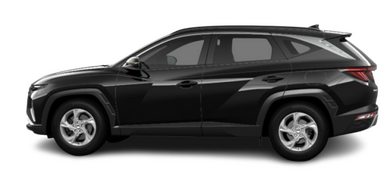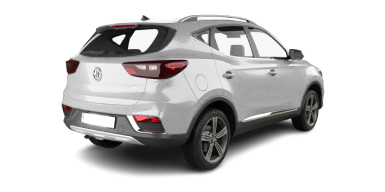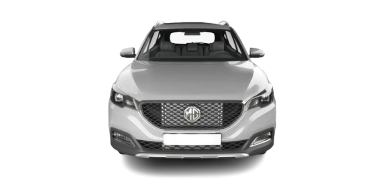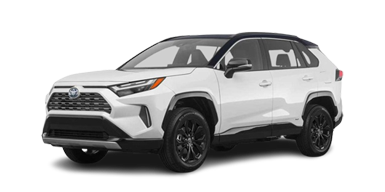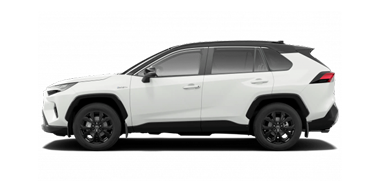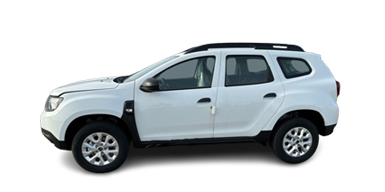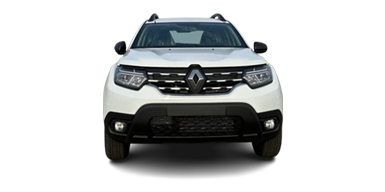

Buying a car is traditionally seen as a wise investment and a symbol of independence. However, if you don't use it regularly, owning a car often turns out to be less profitable than expected: a car that sits idle most of the week remains an expensive asset with a steadily declining value. In 2026, the question of whether it is more profitable to rent or buy a car is particularly relevant. Prices for new cars have risen by 18–22% over the past two years, and maintenance costs continue to increase, while short- and long-term rental services offer flexible terms that in some cases prove to be more economically viable.
What will car ownership actually consist of in 2026?
Car ownership costs include not only the purchase price, but also ongoing associated expenses. The total cost of ownership is divided into fixed and variable costs. Fixed costs include insurance, taxes, depreciation, parking and part of the maintenance — these costs arise even when the car is not being used. Variable costs are related to mileage: fuel, tyre wear, scheduled maintenance, repairs. With irregular use, it is the fixed costs that make ownership particularly unprofitable, as they are paid in full regardless of the frequency of travel.

Mandatory annual expenses: insurance, taxes, and scheduled maintenance
Civil liability insurance is mandatory for all vehicle owners in Ukraine. The cost of a motor vehicle insurance policy ranges from 1,200 to 3,500 hryvnia per year, depending on the region of registration, the driver's experience and the power of the car. Comprehensive insurance, which protects against theft and damage, is significantly more expensive — from 4 to 8% of the car's value annually. For a car worth 600,000 hryvnia, this is 24,000-48,000 hryvnia, which is comparable to several months of rent.
Transport tax is calculated based on engine size using the formula of 25 hryvnia per 100 cm³. A popular crossover with a 2.0-litre engine will bring 500 hryvnia to the state budget annually, which seems like a symbolic amount compared to other expenses. For premium cars with 3.5–4.0 litre engines, the tax increases to 875–1000 hryvnia.
Scheduled maintenance becomes a significant expense, especially when using official dealers. Regulations require to perform maintenance every 15,000 kilometres or once a year, whichever comes first. For an average saloon or crossover, standard maintenance includes replacing the engine oil and oil filter for 2,500–4,000 UAH, replacing the air and cabin filters for 800–1,500 UAH, checking technical fluids for 500–800 UAH, computer diagnostics of all systems for 600–1,000 UAH. Mechanics' labour and administrative costs add another 1,500–2,500 UAH. The final bill for basic maintenance is 5,000–8,000 UAH, and this is the minimum amount without taking into account additional work.
Every 30,000-40,000 kilometres, spark plug replacement for 2,000-3,500 UAH is added to this list, and every 60,000 kilometres, a new set of brake pads for 4,000-8,000 UAH per axle is required. Every 8,000-120,000 kilometres, the timing belt or chain needs to be replaced, costing 8,000-25,000 UAH, depending on the car model. Car ownership costs also include unexpected repairs. An average car older than three years requires unscheduled repairs costing 8,000–15,000 UAH annually. These can be problems with the suspension, electronics, cooling system, or other components that wear out unpredictably.

The hidden enemy of your wallet — loss of market value over the year
A car's depreciation is relentless from the moment it leaves the showroom. A new car loses 15-20% of its value when the paperwork is completed and it is first registered — a phenomenon known as the "new car effect". During the first year of operation, the total loss in value reaches 25–30% of the purchase price. The second year of ownership brings an additional loss of 15–18% of the current value. The third year brings another 12–15%. Only after that does the graph slow down to a relatively stable 8–10% annually. A car purchased for 650,000 UAH is worth about 370–400 thousand UAH on the secondary market after three years of operation. The real loss is 250,000–280,000 UAH over the period of ownership.
Is it profitable to buy a car if you drive less than 3 times a week?
Car subscriptions and short-term rentals change the economics of transport use for irregular trips. Owning a car generates fixed costs all year round — insurance, parking, maintenance and depreciation do not depend on mileage. When used twice a week, the annual mileage rarely exceeds ten thousand kilometres, which radically increases the cost of each kilometre travelled. The actual maintenance costs are spread over a minimum number of trips, making each trip disproportionately expensive.
Renting works on the opposite principle — you only pay for the days you actually use the car, without any downtime costs. The owner continues to bear all the costs while the car is parked, and the renter pays only for the time they use it. Buying pays off with daily use and an annual mileage of over 18,000 kilometres, while infrequent trips make renting a more rational financial decision.
The risks of ownership versus the convenience of service: what remains "behind the scenes"
Car ownership involves financial and organisational risks: unexpected breakdowns (turbine, gearbox, engine, electronics) require significant costs and leave the car out of service for the duration of the repair. The owner independently looks for a service centre, agrees on the cost of work, controls quality, deals with spare parts, seasonal tyre changes, technical inspections, parking and maintenance. In the event of an accident, legal and insurance liability also rests with the owner. When renting, these obligations are assumed by the provider company: it provides technical maintenance, insurance and, if necessary, prompt replacement of the car.
Why you should choose to rent a car on the NarsCars website instead of buying your own vehicle
NarsCars has been operating in the Ukrainian market for over ten years and offers a fleet of more than 150 vehicles of various classes. Each car undergoes mandatory diagnostics before being issued to the customer, covering a range of safety and technical condition parameters. Rates start at 750 UAH per day, with discounts of up to a quarter of the base price for long-term rentals of thirty days or more. The rental price includes comprehensive insurance, scheduled maintenance, replacement of a faulty car, seasonal tyres, and round-the-clock technical support.
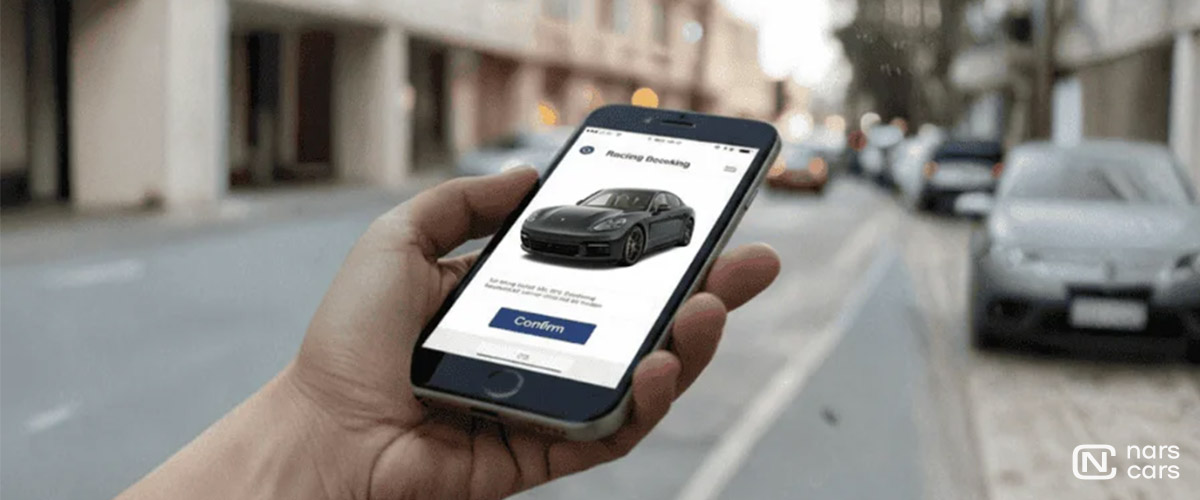
Booking through the website narscars.com.ua takes a few minutes, and registration at the office requires a minimum set of documents and takes fifteen to twenty minutes. For irregular use of transport two or three times a week, renting offers savings compared to owning your own car, eliminating the risks of depreciation, costly repairs and unexpected maintenance costs.